Dental Implant: Full overview You require to Know for a Triumphant Procedure
Tooth implant solutions offer a long-lasting solution for those dealing with tooth loss. They consist of a titanium post that bonds with the jawbone, guaranteeing stability. However, not everyone qualifies for this treatment. Factors such as bone health and oral hygiene have significant roles in candidacy. Understanding the process and what to anticipate can alleviate potential concerns. As one moves through the details, questions about eligibility and recovery naturally emerge.

Tooth Implants Explained: What's It Operate for You?
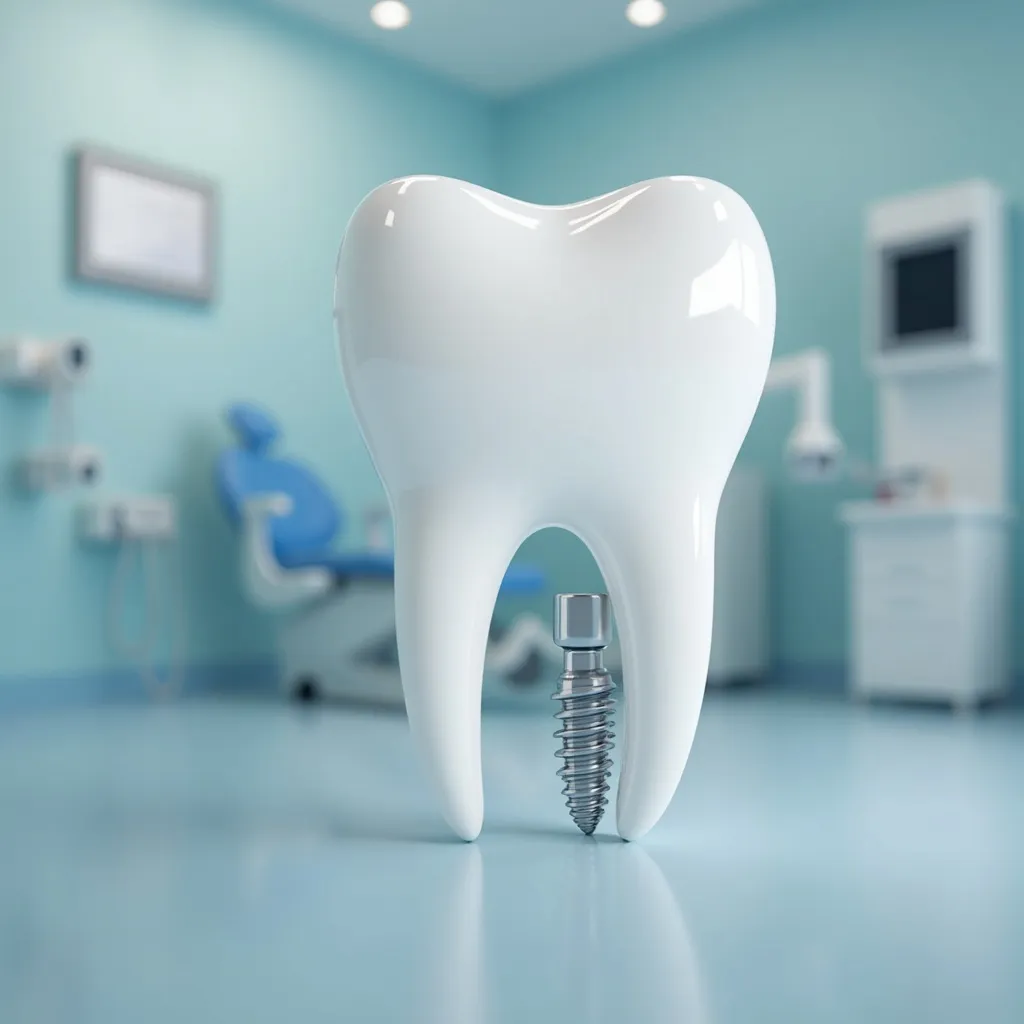
A tooth implant provides a modern solution for individuals facing tooth loss. This dental procedure involves placing a titanium post into the jawbone, which serves as a substitute root for a missing tooth. Over time, the jawbone fuses to the post through a process known as osseointegration, delivering a solid base. Once the implant has fully integrated, a personalized crown is attached, mimicking the appearance and function of a natural tooth.
Tooth implants offer several advantages, including enhanced chewing ability and improved aesthetics. They also reduce bone loss, which can occur following tooth loss. Unlike traditional dentures, implants do not move or require adhesives, making them a stable option. With proper care, such as regular dental check-ups and good oral hygiene, tooth implants can last for many years, providing a long-term solution for restoring both functionality and appearance to a person’s smile.
Who Is a Ideal Applicant for Tooth Implants?
Figuring out who qualifies for tooth implants involves evaluating several key factors. Candidates typically include individuals who have lost one or more teeth due to injury, decay, or periodontal disease. A healthy jawbone is essential, as it provides the necessary foundation for the implant. Those with sufficient bone density may be ideal candidates, while individuals with significant bone loss may require additional treatments, such as bone grafting.
Also, patients should copyright good dental hygiene and remain committed to consistent dental appointments. Age can also matter; while there is no strict upper age limit, younger candidates should wait until their jawbone has reached full development. Medical conditions, such as uncontrolled diabetes or certain autoimmune disorders, may hinder eligibility. Ultimately, a thorough assessment by a dental professional will confirm if tooth implants are a fitting option for the individual, ensuring optimal long-term success.
What to Anticipate During the Dental Implant Procedure?
Having a tooth implant procedure can be a transformative experience for patients seeking to restore their smiles. This procedure typically includes several phases, starting with a thorough consultation and imaging to evaluate bone density. Once deemed suitable, the patient is given anesthesia to guarantee comfort.
The initial step in the process is the surgical insertion of the titanium implant into the jawbone, which functions as the synthetic root structure. This is succeeded by a recovery phase, permitting the implant to fuse to the bone. After adequate healing, an abutment is affixed, which will hold the crown.
Patients may encounter some swelling and discomfort after surgery, but this is generally manageable with medications prescribed by your doctor. A custom crown is then created and attached to the abutment, completing the process. In summary, the dental implant procedure is carefully planned and executed, targeting superior results and patient satisfaction.
What Should You Prepare for During the Recuperation Phase Following Tooth Implant Surgery?
Recovery after tooth implants progresses in distinct phases, each essential for proper recovery. Initially, patients may experience swelling, bruising, and discomfort, which are normal reactions to the surgical procedure. Pain management often involves prescribed medications or over-the-counter pain relievers.
During the first few days, gentle cuisine are suggested to minimize irritation and promote healing. As the weeks advance, the implant gradually integrates with the bone, a process known as osseointegration, which is essential for long-term stability.
Follow-up evaluations are regularly booked to evaluate healing and establish the implant's proper integration. Patients are counseled to sustain excellent oral hygiene, steering clear of vigorous brushing on the treatment site.
A complete healing duration may span some months, influenced by specific situations. Patience and adherence to surgical aftercare instructions are necessary for achieving the desired outcome and preserving the implant's success.
Important Advice for Looking after Your Tooth Implants
Proper care of tooth implants is vital for their extended durability and complete oral health. Routine cleaning practices, including brushing and flossing, help maintain the integrity of the implants and surrounding tissues. In addition, frequent dental visits are important to monitor the well-being of the implants and tackle any potential issues without delay.
Routine Oral Dental Wellness Practices
Consistent dental care habits are critical for ensuring the health and longevity of tooth implants. Implant users should care for their teeth at least twice daily with a soft-bristled toothbrush and non-harsh toothpaste. Flossing is also essential; specialized floss or interdental brushes can clean around implants effectively. Rinsing with an bacteria-fighting mouthwash can help reducing plaque buildup and preventing infections. It is important to avoid hard-bristled brushes or abrasive agents, as these may wear down the implant surface. Moreover, staying hydrated can aid saliva production, which is necessary for oral health. By following these daily practices, implant users can greatly enhance the lifespan of their tooth implants and maintain overall dental well-being.
Regular dental check-ups help preserve strong teeth and gums. Dentists recommend scheduling appointments each 6 weeks for best dental wellness.
Maintaining dental care at home represents only a portion of the process when ensuring effective tooth implants. Consistent dental check-ups are crucial for observing the health of both the implants and adjacent tissues. A dental professional can discover potential concerns like infections or bone loss early, before they become serious. Generally, patients should arrange visits every six months, but those with implants might require more frequent reviews. During evaluation these appointments, the dentist will execute thorough cleanings and check the implant’s condition. Moreover, a professional can supply customized suggestions on care routines and dietary habits that aid long-term implant success. Ultimately, regular check-ups significantly help in sustaining both oral health and the lifespan of tooth implants.
Dispelling Frequent Myths Regarding Tooth Implants
Although many people consider tooth implants a viable solution for missing teeth, several misunderstandings surround their effectiveness and safety. One prevalent myth is that implants are extremely painful; however, most patients report only mild discomfort during and after the procedure, managed effectively with anesthesia and pain management.
One myth is that implants require extensive maintenance. In reality, they can be cared for just like natural teeth, requiring routine brushing, flossing, and standard dental check-ups.
Furthermore, some believe that age disqualifies individuals from getting implants. In reality, as long as sufficient bone density exists, senior citizens can gain the same advantages from this treatment.
Lastly, several fear that implants will look unnatural. In fact, modern implants are designed to meld seamlessly with existing teeth, ensuring an aesthetically pleasing result. By dispelling these myths, individuals can make informed decisions about tooth implants as a reasonable option for restoring their smiles.
Comprehending the Cost Structure of Tooth Implants
Grasping the financial implications bound to tooth implants necessitates multiple vital factors. These comprise the particular components shaping pricing, the significance of insurance coverage, and available financing solutions. A comprehensive analysis of these elements can enable individuals to render informed financial decisions regarding their dental health.
Contributors Determining Implant Prices
Numerous factors affect the cost of tooth implants, making it crucial for individuals to be informed about these variables. One significant element is the kind of implant selected, as options differ in material and complexity. The expertise and expertise of the dentist also have a vital role, with experts typically charging increased fees. Location affects costs, with urban areas often having higher prices than rural settings. Additionally, the need for preliminary procedures, such as bone grafts or extractions, can increase overall costs. Finally, the caliber of materials utilized for abutments and crowns contributes to the final cost. Understanding these factors can help patients make informed choices regarding their tooth implant investments.
Insurance Benefits Considerations
How do dental plans impact the financial burden of tooth implants? Many dental insurance plans offer limited coverage for implants, often classifying them as optional treatments. This can result in patients facing substantial personal costs. Typically, plans may pay for a percentage of associated expenses, such as appointments or preliminary treatments, but not the implants themselves. Additionally, some policies may have delays or yearly limits that further complicate budget management. Patients should review their specific coverage details and consider contacting their insurance providers to clarify benefits. Understanding these elements is crucial for proper financial planning, as the total cost burden varies widely based on individual insurance plans and coverage limits.
Open Financing Choices
What payment options are accessible for patients considering tooth implants? There are various alternatives to help with the costs connected to this dental procedure. Many dental practices offer in-house financing plans, enabling patients to pay in installments rather than a lump sum. In addition, third-party financing companies offer loans tailored for dental treatment, frequently featuring flexible repayment plans. Certain patients might also consider using health savings accounts (HSAs) or flexible spending accounts (FSAs) to pay for costs. Another choice is credit cards, though patients must consider the interest rates. In the end, patients are advised to talk over these financing options with their dental providers to find the best fit for their financial needs, guaranteeing access to necessary dental care without excessive financial burden.
Frequently Asked Questions
How Long Do Tooth Implants Typically Last?
Dental implants usually last between 10 to 15 years, though many can remain much longer with appropriate maintenance. Factors impacting longevity include oral hygiene, lifestyle habits, and personal health factors affecting the jawbone.
Is it Feasible for Tooth Replacements to Deteriorate, and What Causes This?
Dental implants may not succeed because of numerous reasons, such as infection, low bone volume, improper placement, or not following post-operative care instructions. Comprehending these risks is important to obtain long-term favorable results with dental implants.
Are There Substitutes to Tooth Replacement Implants?
Absolutely, replacements for tooth implants can be found. Alternatives consist of dentures, dental bridges, and resin-bonded bridges. Each alternative offers unique pros and cons, allowing individuals to choose depending on their individual dental needs and preferences.
Can Your coverage Cover for Dental Implant Expenses?
Insurance coverage for dental implants varies considerably by plan. Some plans may partially cover costs, while others might omit them entirely. Individuals should contact their insurance provider to learn about specific coverage details and limitations.
Can smokers get tooth implants with success?
People who smoke may receive tooth implants successfully, but their smoking practice elevates the risk of complications, such as sepsis and implant loss. Seeking guidance from a dental professional for personalized advice is important for best outcomes.